
SPECIAL CLOTHING
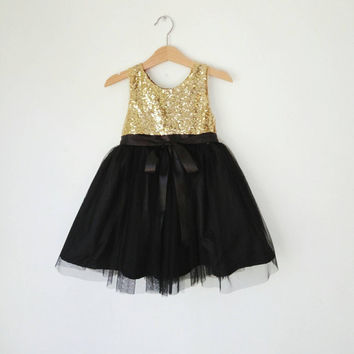
TULLE SKIRTS




SHOP BY STYLE
FASHION BASICS
MAKE THE MOST OUT OF CLOTHING

DESIGNS
Describe what you offer here. add a few choice words and a stunning pic to tantalize your audience and leave them hungry for more.


The beginning in Europe of continual and increasingly rapid change in clothing styles can be fairly reliably dated. Historians, including James Laver and Fernand Braudel, date the start of Western fashion in clothing to the middle of the 14th century,[9][10] though it should be noted that they tend to rely heavily on contemporary imagery[11] and illuminated manuscripts were not common before the fourteenth century. The most dramatic early change in fashion was a sudden drastic shortening and tightening of the male over-garment from calf-length to barely covering the buttocks,[12] sometimes accompanied with stuffing in the chest to make it look bigger. This created the distinctive Western outline of a tailored top worn over leggings or trousers.
The pace of change accelerated considerably in the following century, and women and men's fashion, especially in the dressing and adorning of the hair, became equally complex. Art historians are therefore able to use fashion with confidence and precision to date images, often to within five years, particularly in the case of images from the 15th century. Initially, changes in fashion led to a fragmentation across the upper classes of Europe of what had previously been a very similar style of dressing and the subsequent development of distinctive national styles. These national styles remained very different until a counter-movement in the 17th to 18th centuries imposed similar styles once again, mostly originating from Ancien Régime France.[13] Though the rich usually led fashion, the increasing affluence of early modern Europe led to the bourgeoisie and even peasants following trends at a distance, but still uncomfortably close for the elites – a factor that Fernand Braudel regards as one of the main motors of changing fashion.
Modern Westerners have a wide number of choices available in the selection of their clothes. What a person chooses to wear can reflect his or her personality or interests. When people who have high cultural status start to wear new or different clothes, a fashion trend may start. People who like or respect these people become influenced by their personal style and begin wearing similarly styled clothes. Fashions may vary considerably within a society according to age, social class, generation, occupation, and geography and may also vary over time. If an older person dresses according to the fashion young people use, he or she may look ridiculous in the eyes of both young and older people. The terms fashionista and fashion victim refer to someone who slavishly follows current fashions.